

Blog
Anti Allergenic Billiard Chalk That Performs

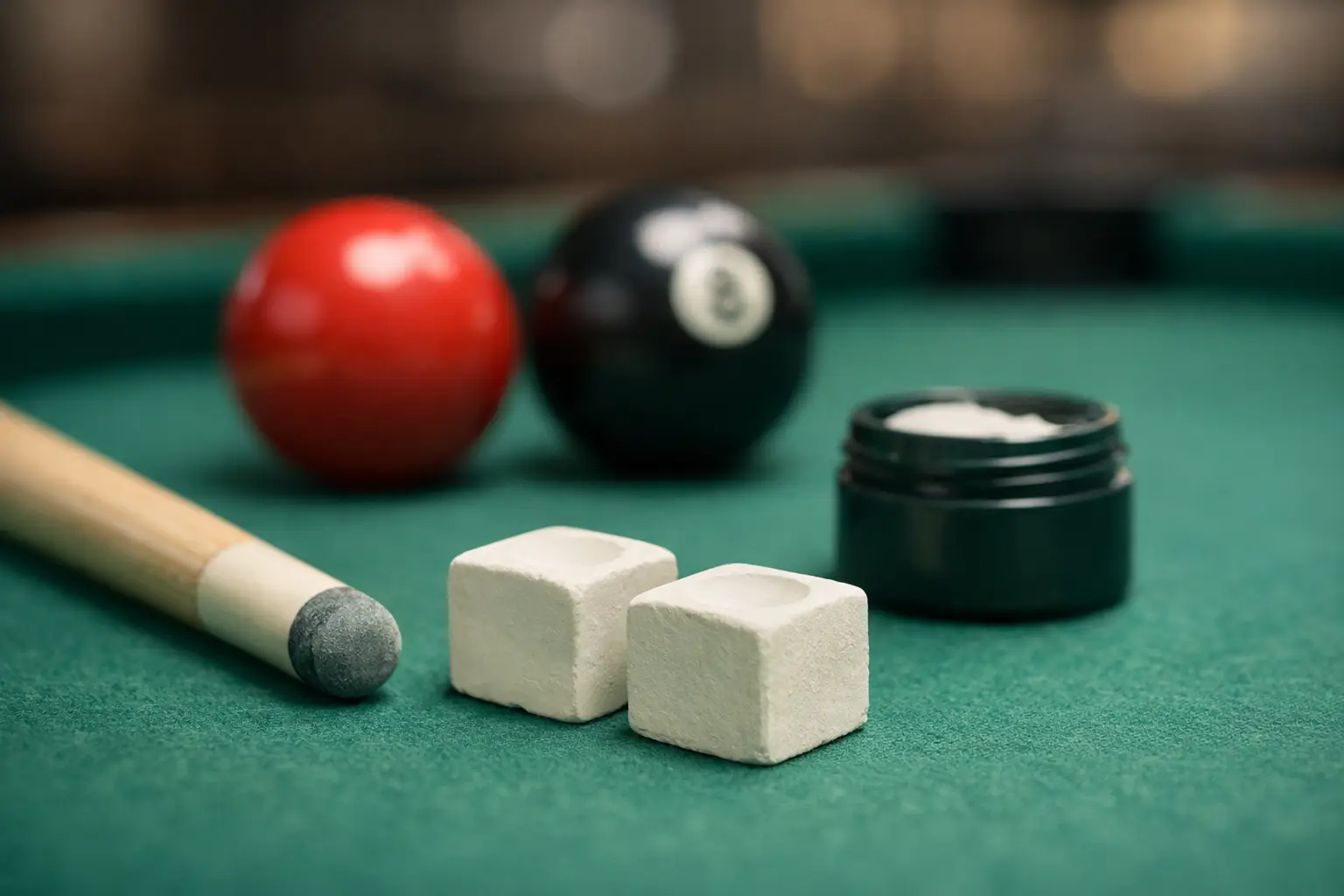
The fastest way to ruin a good session is not a bad stroke. It is a chalk cloud on your bridge hand, your shirt, your case, and sometimes your breathing. Anti allergenic billiard chalk is built for players who want grip without the grime, contact without the cough, and performance without the usual blue mess that follows old-school cubes everywhere.
For serious players, this is not a soft lifestyle feature. It is a table-level advantage. Cleaner chalk changes how your hands feel through a long set, how your shaft stays maintained, and how much junk ends up on the cloth. If you play often, practice hard, or compete in close rooms with heavy air, the difference shows up fast.
What anti allergenic billiard chalk actually means
Let us cut through the noise. Anti allergenic billiard chalk does not mean magic chalk that guarantees nobody will react to it. Bodies are different. Rooms are different. Skin sensitivity, powder exposure, and respiratory triggers all vary.
What it usually means is a cleaner chalk system designed to reduce airborne dust, reduce loose residue, and limit some of the common irritants that make standard chalk feel messy and harsh. In real play, that can mean less chalk transfer to your fingers, less buildup on the shaft, and fewer particles floating off the tip every time you chalk up.
That matters more than many players admit. Traditional chalk has always come with a trade-off. You get the friction you need, but you also get scatter. On your hands. On the rail. On the cloth. On the cue ball. Players accepted that mess because they thought it came with the territory. It does not have to.
Why serious players are switching to anti allergenic billiard chalk
The first reason is simple – cleaner contact. A better chalk formula should stay where it belongs, packed into the cue tip instead of exploding into the air. When that happens, your pre-shot routine feels tighter and your setup stays more consistent across a long session.
The second reason is table discipline. Dusty chalk does not only stain your gear. It can migrate onto the cue ball and cloth, which can affect cleanliness and maintenance over time. No, chalk alone will not decide every rack. But serious players do not ignore small variables. Precision is built from small wins stacked together.
The third reason is personal comfort. Some players deal with dry skin, irritation on the bridge hand, or sensitivity after hours in the room. Others just hate breathing powder in packed tournaments or basement setups with weak ventilation. If your gear can reduce that problem without giving up bite on the tip, that is not a gimmick. That is progress.
Clean does not mean weak
This is where low-grade clean chalks fail. They sell the idea of less mess, then give you soft performance, weak adhesion, or a chalk feel that forces you to reapply every other shot. That is dead on arrival for anyone who actually plays to win.
A real high-performance chalk has to do three jobs at once. It needs to grip the cue ball reliably, stay on the tip longer, and leave less junk everywhere else. If it only solves one of those, it is not advanced. It is compromised.
That is why formula matters. Texture matters. Density matters. How the chalk packs into the tip matters. The best anti-allergenic style products are not just cleaner versions of cheap cubes. They are engineered for controlled application and repeatable contact. That is a very different category.
What to look for before you buy
Start with residue control. If the chalk cakes heavily on the tip edge, crumbles in the case, or leaves obvious dust trails on your fingers after every use, it is not doing the job. A cleaner chalk should feel deliberate, not sloppy.
Then look at retention. How long does it stay effective between applications? Some players like to chalk before every shot no matter what, and that is fine. But even then, the chalk should apply evenly and stay put. If it flakes off instantly or feels inconsistent from shot to shot, your confidence goes with it.
Compatibility matters too. Chalk performance changes depending on your cue tip hardness, shape, and playing style. A break player with a harder tip may judge chalk differently than a finesse player spinning the cue ball all night. Carom players may also notice different behavior because of shot patterns and contact demands. There is no universal answer. There is only the right fit for your setup.
The hidden value – less cleanup, less maintenance
Most players think about chalk only at the tip. The smarter view is to follow the residue. Whatever does not stay on the tip ends up somewhere else, and every surface it touches eventually needs cleaning.
That means your shaft may need wiping more often. Your glove may load up faster. Your case interior can collect powder. Your table cloth takes the hit over time, especially if multiple players are using dusty chalk. Cue ball marks, rail residue, and the constant blue fingerprints on everything are not signs of serious play. They are signs of outdated materials.
A cleaner anti allergenic billiard chalk setup reduces that drain. Not perfectly, because no chalk is zero-maintenance. But enough to matter. If you train several nights a week, those gains compound. Less cleanup means more reps. More reps mean better results.
Who benefits the most
If you play in compact pool halls, home rooms with limited airflow, or long tournament sessions, you are the first in line. If your bridge hand gets irritated or your hands feel dry after repeated chalking, you are also a prime candidate.
Players using low-deflection carbon shafts often care even more about clean accessories because they want the full benefit of modern equipment. It makes no sense to invest in advanced shaft tech, premium tip selection, and precision cue construction, then keep spreading dusty old chalk all over the system. Performance gear should work as a system, not as random parts.
This is also a strong move for players who want a sharper visual setup. Cleaner chalk keeps your equipment looking dialed in. That may sound cosmetic, but serious players know that confidence is part of performance. A clean cue, clean hands, and clean pre-shot routine put your head in attack mode.
Is there any downside?
Sometimes, yes. Cleaner premium chalks often cost more than standard cubes. For casual bar play, some players will decide that basic chalk is good enough. That is a fair call if they do not care about dust, maintenance, or long-session comfort.
There can also be an adjustment period. Some advanced chalk formulas feel different on application. Players who are used to heavy visual coating may think a cleaner chalk is doing less, when it is actually adhering more efficiently with less excess. The right test is not how messy it looks. The right test is cue ball contact under pressure.
And of course, anti allergenic is not the same as hypoallergenic certainty. If you have a known sensitivity, you still need to pay attention to ingredients, exposure, and your own response. Smart players test gear, not assumptions.
Why this category fits the future of billiards
Billiards gear has changed. Carbon shafts got better. Tip technology got sharper. Cue construction got more specialized. Players expect more from every part of the stack now. Chalk cannot stay stuck in the past.
The next standard is obvious – stronger grip, less waste, cleaner play. That is exactly why anti allergenic chalk systems make sense in modern cue sports. They match the way serious players already think. Better materials. More control. Fewer compromises.
That is also why brands pushing advanced billiards equipment are paying attention to chalk instead of treating it like an afterthought. A premium setup is not just the cue in your hand. It is every point of contact from tip to table. ON CYBORG understands that the small details are where the takeover starts.
The real question at the table
If your current chalk leaves your hands dirty, your shaft marked up, your table dusted, and your breathing space worse, what exactly are you defending? Tradition is fine when it still wins. When it keeps dragging mess into the game, it is just old tech wearing a familiar label.
Anti allergenic billiard chalk is for players who want the hit, the hold, and the clean finish in one system. Not softer. Not weaker. Smarter. If your gear is built to compete, your chalk should stop acting like the weakest link and start earning its place in the case.