

Blog
How to Install Cue Tip the Right Way

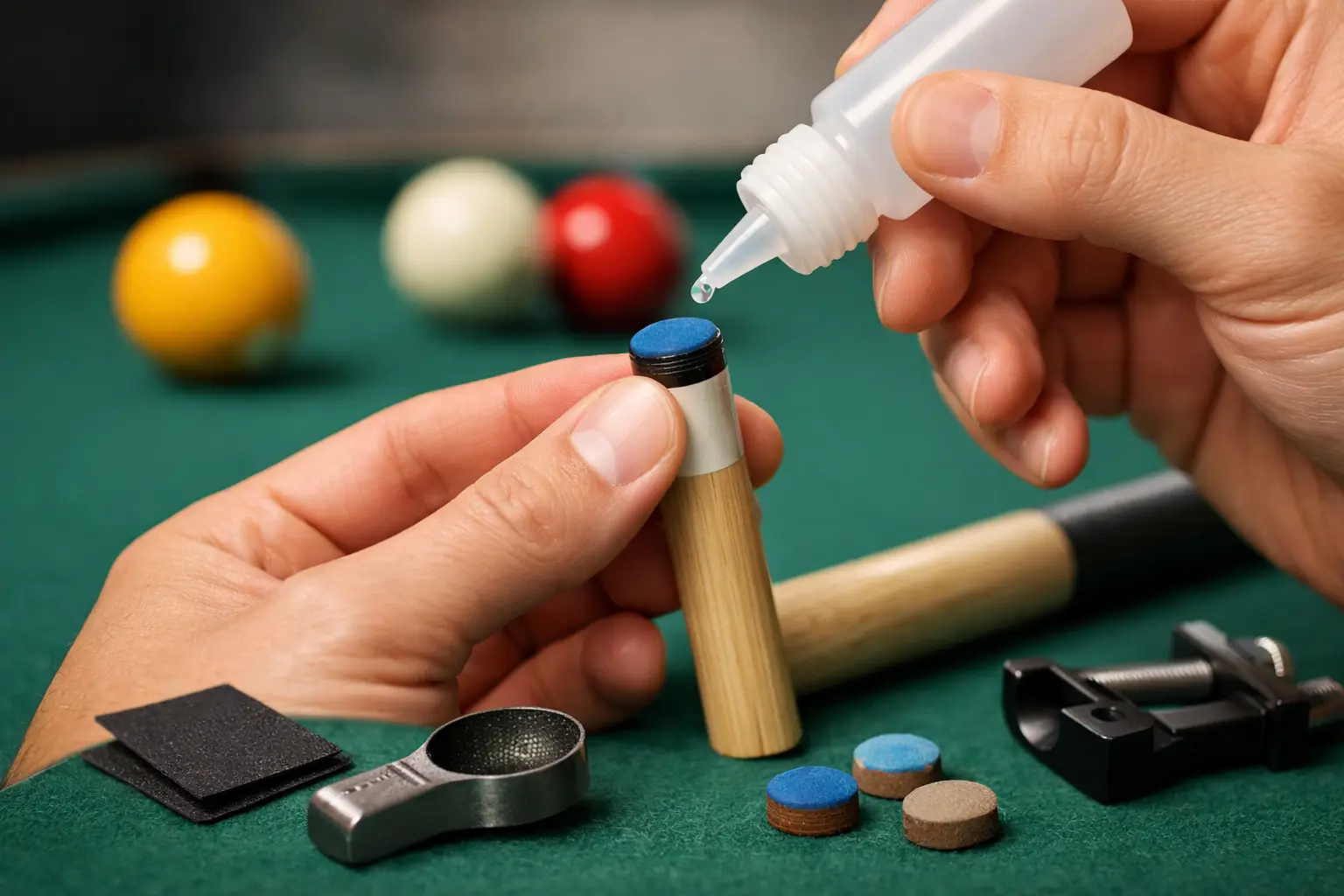
Nothing exposes weak cue maintenance faster than a bad tip install. One off-center glue-up, one uneven trim, one rushed shape job – and your hit feels dead, your spin gets unpredictable, and every shot starts to feel like a compromise. If you want to know how to install cue tip correctly, the goal is not just getting it to stick. The goal is getting a clean, centered, high-performance connection between your shaft and the cue ball.
How to install cue tip without sabotaging performance
A cue tip is small, but it controls a huge part of your feedback, grip on the cue ball, and overall shot confidence. Serious players know the difference immediately. A properly installed tip feels solid, consistent, and alive. A sloppy install feels vague, mushy, or uneven, even if the cue itself is high quality.
That is why tip installation is part craftsmanship, part precision work. You do not need a full cue repair bench to do it well, but you do need patience and control. If you rush it, the result shows up every time you chalk up.
Before you start, make sure the tip you are installing actually fits your shaft diameter and matches your playing style. A soft tip may offer more grip and feel, while a hard tip usually gives a crisper hit and longer wear. There is no universal best option. It depends on whether you want more touch, more durability, or a firmer transfer of energy.
What you need before you begin
You can install a cue tip with basic tools, but precision matters. At minimum, you want a replacement tip, sharp razor blade or utility knife, sandpaper in a few grits, gel or medium-viscosity super glue, and something to clamp the tip in place while it cures. A tip clamp helps, but even steady hand pressure for the initial bond can work if you are careful.
You also need a flat surface to prep the ferrule and the bottom of the tip. That part is not optional. If either surface is uneven, the bond will be weak, and the tip can pop off early or hit inconsistently.
If you have access to a cue lathe, the job gets easier and cleaner. But many players install tips by hand with good results. The difference is not whether you own expensive equipment. The difference is whether you respect the details.
Step 1: Remove the old tip completely
Start by cutting the old tip off as close to the ferrule as possible. Use a sharp blade and keep your cuts controlled. Do not dig into the ferrule. One careless slice can scar the top and create extra work.
Once the old tip is gone, remove every trace of old glue from the ferrule face. This is where many installs go bad. New glue over old glue is a weak foundation. Sand the ferrule top until it is flat, smooth, and clean. You are not trying to reshape the ferrule. You are trying to create a fresh bonding surface.
A good ferrule face should look even all the way across, with no shiny glue spots and no low areas. If the top is crooked, the new tip will sit crooked too.
Step 2: Prep the new tip for bonding
Most replacement tips need light sanding on the bottom before installation. The goal is simple – create a flat, fresh surface so the glue can grab evenly. Use fine sandpaper and keep the motion level. Do not round the edges or hollow out the center.
Some layered tips come very flat from the factory, while others still benefit from a quick prep pass. Either way, inspect the bottom closely. If there is any glaze, dust, or unevenness, clean it up before glue touches it.
This is a small step with major consequences. A tip bonded to an uneven base can feel inconsistent for its entire life.
Step 3: Glue the tip on center
Apply a small amount of glue to the ferrule or the tip bottom. Small means small. Too much glue creates squeeze-out, mess, and a thicker bond line than you want. You are not filling gaps here. If there are gaps, your prep was off.
Set the tip down carefully and center it as precisely as possible. You want slight overhang all the way around if the tip is a little oversized. That gives you room to trim it flush later. Press the tip down firmly and hold it steady so it does not slide.
If you have a clamp, use it. If not, maintain even pressure by hand for the initial set, then let the cue rest upright or in a stable position while the glue cures fully. Follow the glue instructions, but as a rule, giving it extra time is smarter than testing it too early.
This is not the moment for impatience. A cue tip that shifts during curing is already compromised.
How to install cue tip and get a clean finish
Once the glue is fully cured, the install is not finished. Bonded does not mean playable. Now you shape it into a working tip.
Step 4: Trim the sides flush with the ferrule
Use a sharp blade and trim the excess tip material carefully, working little by little around the ferrule. Keep the blade controlled and avoid gouging the ferrule walls. If you have never done this before, slow is fast. Aggressive trimming usually leaves scars.
After rough trimming, use fine sandpaper to bring the tip perfectly flush with the ferrule. Rotate the shaft evenly as you sand so you maintain a smooth cylinder. The final look should be clean and tight, with no mushrooming and no visible glue ridge.
This stage affects more than appearance. If the edge is rough or uneven, the tip can wear badly and feel wrong in your bridge hand.
Step 5: Shape the crown to match your game
Now shape the playing surface. Most players prefer a nickel or dime radius, depending on how much contact precision they want. A tighter radius can help with english and cue ball grip, while a flatter shape may feel more stable to some players. Again, it depends.
Use a shaper or sandpaper and build the curve gradually. Do not tear into it. The crown should be smooth, centered, and symmetrical. If one side is higher than the other, your strike feedback can feel inconsistent.
For performance players, this is where the cue starts coming alive. The shape of the tip changes how the cue ball accepts spin, how cleanly the hit transfers, and how confident you feel on touch shots.
Step 6: Scuff it lightly and test it
A fresh tip usually needs light scuffing so it can hold chalk properly. Do not overdo it. You are just opening the surface enough to grip chalk, not shredding the leather.
After that, chalk it up and hit a few controlled shots. Start with center ball, then move into soft draw, follow, and side spin. Pay attention to the sound, the feel, and whether the tip seems to contact consistently. A good install feels connected. There is no weird buzz, no dead click, and no sense that the tip is fighting the shaft.
Common mistakes that kill a cue tip install
The biggest mistake is poor surface prep. If the ferrule face or tip bottom is not flat and clean, everything after that is damage control. The second mistake is too much glue. More glue does not mean more strength. It usually means more mess and less precision.
Another common problem is trimming too aggressively and damaging the ferrule. That cosmetic damage can also affect fit and finish. Then there is shaping the tip before the glue has fully cured. That is a fast way to twist or weaken the bond.
Players also get into trouble by choosing the wrong tip hardness for their style and blaming the install. If your cue tip is mounted perfectly but feels too soft, too hard, or too tall for your game, the issue may be selection, not technique.
When to install it yourself and when to hand it off
If you are comfortable working with your hands and you can stay patient, installing your own cue tip is absolutely doable. Many serious players prefer it because they want total control over the final shape and feel.
But if you are dealing with an expensive shaft, a premium ferrule, or a layered tip you do not want to ruin, there is no shame in using a professional repair tech. Precision matters, and on high-performance gear, bad work costs more than the install service.
The smartest move is not proving you can do everything yourself. The smartest move is protecting the hit.
A cue tip is where your intention meets the cue ball. Install it with care, and every shot starts cleaner, sharper, and more under your command. That is the whole point – not just maintenance, but performance.