

Blog
Pool Cue Shaft Maintenance That Wins Games

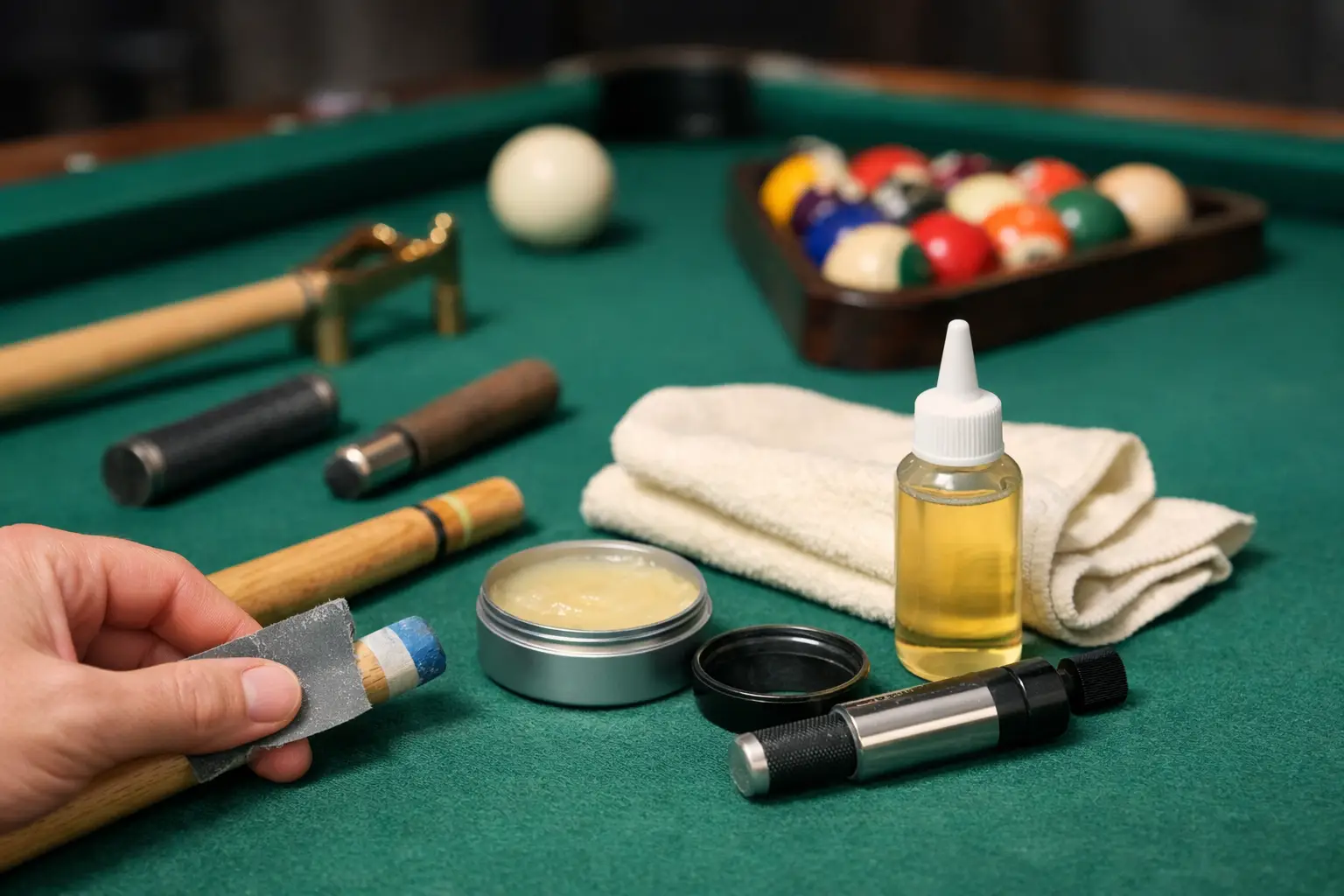
A shaft does not slowly go bad all at once. It gives you warnings first – extra drag on the bridge hand, a sticky release in humid rooms, a hit that feels a little less true than it did last month. That is where pool cue shaft maintenance stops being a chore and starts being part of performance. Serious players obsess over tip shape, chalk choice, and cue ball paths. The shaft deserves the same respect.
Why pool cue shaft maintenance matters
Your shaft is the control surface of the cue. If it gets dirty, glazed, or neglected, you feel it immediately. On a wood shaft, sweat, skin oils, chalk dust, and room moisture can change the surface fast. On a carbon shaft, the material is more stable, but the playing surface still collects grime, and grime still changes feel.
That matters because small changes at the hand can become big changes at the table. A shaft that drags can interfere with a smooth stroke. A shaft that stays dirty can make you compensate without realizing it. Players call it being off. A lot of the time, the cue is part of the problem.
Maintenance is not about making the shaft look pretty. It is about preserving consistency. That means stable feel, predictable slide, and fewer variables when the match gets tight.
The two maintenance realities: wood vs carbon
Not all shafts want the same care. Treating them the same is where players create problems.
Wood shafts need a lighter touch
Maple and other wood shafts are alive to their environment. They react to humidity, hand oils, friction, and aggressive cleaning. If you overdo it with harsh chemicals or abrasive pads, you can remove finish, change the feel, or even alter dimensions over time. Wood rewards regular, gentle upkeep far more than occasional heavy-duty cleanup.
A wood shaft also asks for better storage. Leave it in a hot car, lean it in a corner, or expose it to fast swings in temperature, and you are inviting warping and surface issues. The best maintenance routine in the world cannot outwork bad storage habits.
Carbon shafts are tougher, not maintenance-free
Carbon changed the game because it is more resistant to warping, more stable in changing conditions, and easier to keep consistent. That does not mean you can ignore it. Carbon shafts still pick up chalk, sweat, and oils. They still need to be wiped down. They still perform better when the surface is clean.
The upside is simple. Carbon usually needs less delicate care, less environmental babysitting, and less recovery work after long sessions. For players who demand repeatable performance, that is a major edge.
The right routine after every session
The best pool cue shaft maintenance is not dramatic. It is repeatable.
After you play, wipe the shaft with a clean, dry microfiber cloth. Do it from joint to tip with light pressure. That removes the fresh layer of oils, dust, and chalk before it builds into a stubborn film. If you wait until the shaft feels bad, you waited too long.
For carbon, this basic wipe-down handles most of the job. For wood, it is even more important because residue can settle into the grain and affect feel faster. Keep the cloth in your case so there is no excuse. Players who respect their gear build this into the shutdown routine automatically.
If you play in humid rooms, or your bridge hand runs warm, you may want a second pass with a slightly damp cloth, followed immediately by a dry one. Slightly damp means just that. Not wet. Moisture is a tool, not a flood.
How to deep-clean without doing damage
Sooner or later, a simple wipe is not enough. That is where discipline matters.
Cleaning a carbon shaft
Use a soft microfiber cloth and a cleaner that is safe for carbon-fiber cue shafts, or a mild soap solution if the manufacturer allows it. Apply the cleaner to the cloth, not directly onto the shaft. Wipe evenly, then dry the shaft fully. The goal is to lift residue, not soak the surface.
Avoid random household chemicals. If it was designed to strip grease off kitchen equipment, it probably does not belong on precision billiards gear. Strong solvents can leave residue, alter the surface feel, or affect branding and coatings.
Cleaning a wood shaft
Wood needs more restraint. Use a dry microfiber cloth first. If more cleaning is needed, use a slightly damp cloth or a cue-safe wood shaft cleaner very sparingly. Follow with a dry cloth right away.
What you should not do is attack the shaft with heavy abrasives, excessive moisture, or repeated sanding. Some players get addicted to chasing that brand-new slick feel with aggressive methods. The trade-off is real. Too much abrasion can remove material, change taper feel, and shorten the useful life of the shaft.
If the shaft has heavy glazing or stubborn buildup, a professional cleaning may be the smarter move than turning a maintenance task into a repair job.
Smooth feel vs over-polishing
Every serious player wants a shaft that slides clean through the bridge. But there is a line between proper care and over-processing.
A lightly polished feel can be great. An over-polished shaft can feel unnatural, slick in the wrong way, or altered from the hit and feedback you trust. With wood, especially, repeated use of burnishing tools and abrasives can slowly change the shaft. You may gain short-term smoothness and lose long-term consistency.
That is the pattern to watch. If your maintenance routine keeps getting more aggressive, your maintenance routine is the problem.
Carbon shafts usually simplify this because the material is engineered for stability and a cleaner-playing surface. That is one reason performance-minded players have moved hard in that direction. Less babysitting. More repeatability.
Storage is part of maintenance
Players love to talk about cleaning and forget storage. Bad move.
Heat, cold, moisture, and pressure all affect cue performance, especially with wood shafts. Keep your cue in a proper case when it is not in use. Do not leave it in a car trunk. Do not store it near heaters or in damp basements. Do not stand it in a way that invites unnecessary stress.
Carbon gives you more environmental resilience, but smart storage still matters. A premium shaft should not live like a bar cue. Protecting it between sessions is part of protecting your stroke.
Signs your shaft needs attention
You do not need a checklist every day, but you should notice changes fast. If the shaft starts feeling sticky, looks dull with visible residue, or loses that clean, easy slide through your bridge hand, it is time for care. If a wood shaft feels rough or starts reacting badly to conditions that never bothered it before, your maintenance routine may be overdue or too aggressive.
Also pay attention to your own adjustments. If you suddenly start changing hand pressure, bridge length, or stroke tempo because the cue feels different, stop blaming your mechanics for everything. Inspect the shaft first.
What serious players do differently
The gap between casual maintenance and serious maintenance is not money. It is consistency.
Strong players do not wait for gear failure. They protect performance before it slips. They know that clean equipment supports clean execution. They also understand material differences. Wood brings tradition, feel, and a certain kind of feedback, but it asks for more discipline. Carbon brings modern stability, lower maintenance demand, and a more controlled performance profile.
That is exactly why advanced players are selective. They are not buying hype. They are buying fewer excuses.
For a performance-first brand like ON CYBORG, that mindset is the whole point. Precision gear should stay precise. Advanced materials should reduce variables, not add maintenance headaches. When your equipment is built for serious play, your care routine should be sharp enough to match.
The maintenance standard to aim for
Keep it simple. Wipe the shaft after every session. Deep-clean only when needed. Use products that match the shaft material. Store the cue like it matters. Never confuse aggressive treatment with better care.
The best shaft is not the one that looks untouched in a case. It is the one that shows up every session with the same feel, the same response, and the same confidence under pressure. That is the standard. Protect it, and your cue will keep showing up ready to work when the table gets mean.